
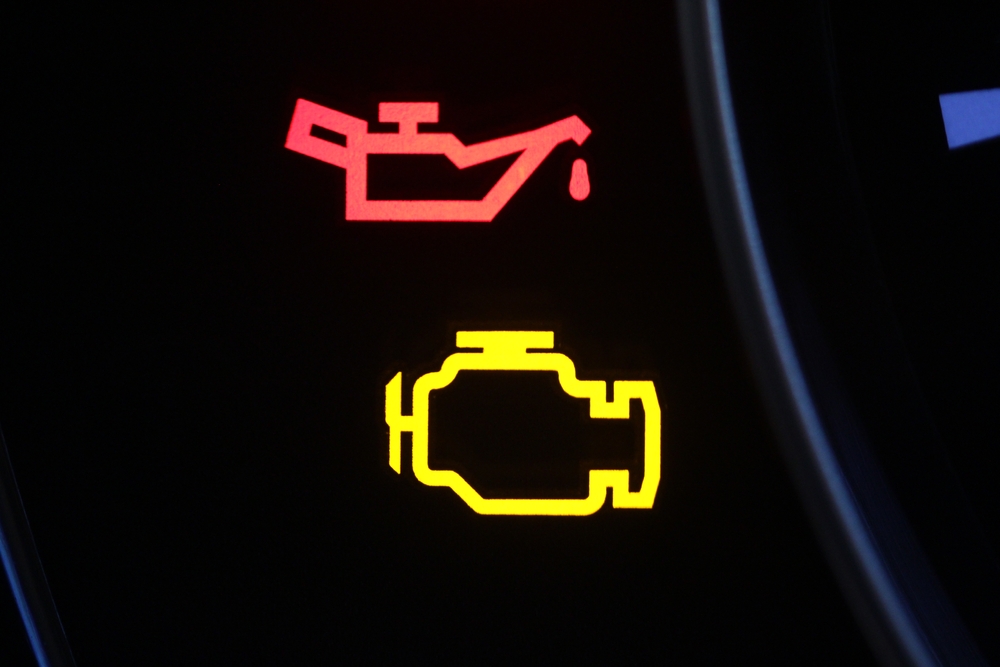
Few things create that sinking feeling quite like glancing at your dashboard and seeing the amber glow of a check engine light staring back at you. For many drivers, the instinct is to ignore it, especially when the car seems to be running fine. Maybe it will go off on its own. Maybe it is just a sensor glitch. Maybe it can wait until next month. These are the kinds of thoughts that turn minor issues into expensive engine care and repairs down the road.
The truth is, your check engine light is one of the most important warning systems in your vehicle, and understanding why it demands your attention could save you thousands of dollars and a great deal of stress.
What Is Your Check Engine Light Actually Telling You?
Your vehicle’s onboard diagnostic system, known as OBD-II, constantly monitors dozens of components and systems throughout your car. When something falls outside of normal operating parameters, the system stores a fault code and triggers the check engine light on your dashboard. This light can represent anything from a loose gas cap to a misfiring engine or a failing catalytic converter.
The light itself does not tell you exactly what is wrong, which is part of why so many drivers dismiss it. Without a code reader or a visit to a mechanic, it is easy to assume the problem is minor. However, that assumption is exactly where the trouble begins. The only way to know what your vehicle is communicating is to have the diagnostic code read by a professional or with a personal OBD-II scanner. Even then, interpreting the code correctly requires knowledge and experience. A code pointing to an oxygen sensor, for example, could indicate a faulty sensor, but it could also point to a more serious issue within the fuel or exhaust system.
Staying on top of engine care and repairs means treating every warning light as meaningful information, not background noise. Your car is talking to you, and choosing not to listen is a gamble that rarely pays off.
The Hidden Dangers of Driving With an Active Warning
Here is where many drivers underestimate the risk. A vehicle can feel completely normal while internal damage is quietly accumulating. This is especially true with issues related to combustion, emissions systems, and engine timing. A misfiring cylinder, for instance, may not produce obvious symptoms right away, but over time it can damage your catalytic converter, a component that can cost well over a thousand dollars to replace.
Ignoring the check engine light can also lead to cascading failures. When one system in a vehicle is compromised, it places additional strain on surrounding systems. An engine running too rich or too lean with respect to its fuel mixture puts extra stress on the spark plugs, oxygen sensors, and exhaust components. What starts as a relatively inexpensive fix can evolve into a complex repair involving multiple parts and significant labor time.
There is also the matter of safety. Some of the issues that trigger the check engine light can affect your vehicle’s performance in ways that increase risk on the road. Transmission issues, throttle control problems, and certain sensor failures can all impact how your car responds in critical driving moments. Proper engine care and repairs are not just about protecting your investment; they are about protecting yourself and everyone else on the road.
How Long Can You Really Wait?
This is a question without a clean universal answer, because it depends entirely on what is causing the light to come on. If the light is steady and your car is running normally, you likely have a window of time, but that window should not stretch beyond a day or two before you have it checked. If the light is flashing or blinking, that is an urgent signal indicating an active misfire that requires immediate attention. Continuing to drive with a flashing check engine light can cause serious and permanent damage to your engine and emissions system within a matter of miles.
Some drivers use a reset tool to clear the code and turn off the light, hoping the problem will not return. This approach masks the symptom without addressing the cause. The code will almost certainly return, and in the meantime, you have lost valuable diagnostic information. Worse, if you are planning to have your vehicle inspected or sold, the system will show as incomplete, which raises immediate red flags.
Getting a proper diagnosis from a qualified technician as soon as possible is always the right call. Good engine care and repairs begin with accurate information, and that requires letting professionals do what they do best.
The Financial Case for Acting Early
Let us talk about money, because for most people, that is the deciding factor. The reluctance to visit a mechanic often comes down to fear of what the bill might look like. The irony is that avoiding the repair almost always makes it more expensive in the end.
Consider a common scenario: a failing mass airflow sensor triggers the check engine light. The part itself is typically affordable, and installation is straightforward. If ignored, however, the incorrect air-to-fuel ratio it causes can foul spark plugs, reduce fuel efficiency, and over time contribute to carbon buildup inside the engine. What was a modest repair becomes a much larger one.
Fuel economy is another factor worth considering. Many of the issues that trigger the check engine light directly impact how efficiently your engine burns fuel. An unaddressed oxygen sensor problem, for example, can reduce fuel efficiency significantly. Over weeks and months of driving, that adds up at the pump. In many cases, the cost of the repair is offset by the fuel savings alone once the vehicle is running properly again.
Routine engine care and repairs also help preserve your vehicle’s resale value. A well-maintained car with a clean service history commands a higher price and gives prospective buyers confidence. A car with a history of ignored warning lights tells a very different story.
Finding the Right Help for Engine Care and Repairs
Knowing that you need to address your check engine light and knowing who to trust with the job are two different things. Not all mechanics and service centers are equal, and finding a reliable one is worth the effort.
Start by looking for shops that employ certified technicians, specifically those with ASE (Automotive Service Excellence) certifications. These credentials indicate that the technician has met industry standards for knowledge and competency. A good shop will also provide a clear written estimate before beginning any work and will take the time to explain what the diagnostic codes mean and what repair options are available.
Do not overlook dealer service centers, especially if your vehicle is still relatively new or under warranty. While independent shops can offer competitive pricing and personalized service, dealers have access to manufacturer-specific diagnostic tools and software that can be particularly useful for complex issues.
Word of mouth remains one of the most reliable ways to find a trustworthy mechanic. Ask friends, family, and neighbors for recommendations. Online reviews can also provide useful insight, though they should be read with some discernment. Consistent patterns across multiple reviews tend to be more telling than individual outliers.
Investing in engine care and repairs through a reputable shop is one of the smartest financial decisions you can make as a vehicle owner. The relationship you build with a good mechanic over time pays dividends in peace of mind and vehicle longevity.
Do Not Wait for a Small Problem to Become a Big One
Your check engine light is not your enemy. It is your vehicle’s way of asking for help before something goes seriously wrong. Every day that warning goes unaddressed is another day a manageable issue has the opportunity to grow into something much more costly and potentially dangerous.
Taking your car in for a diagnostic check is a small investment of time that can protect a much larger investment. Whether the news turns out to be minor or something more involved, knowing what you are dealing with puts you in control. That peace of mind, combined with the long-term savings that come from proactive engine care and repairs, makes one thing perfectly clear: the check engine light should never be ignored.
Need a Local Mechanic Near You?
For over 107 years, our family owned and operated team at Olesen Auto Center, Inc. has proudly served our community with dependable automotive solutions you can trust. We offer a wide selection of used cars, trucks, and vans, along with several options for new tires to keep your vehicle road ready. Our experienced mechanics also provide competitively priced services including routine maintenance, transmission and engine repairs, heating and A/C service, wheel bearings, brake work, tire patching, and more. Whether you are searching for a reliable used vehicle or need expert care for the one you already drive, we are here to help. Contact us today to learn how we can get you back on the road with confidence!