

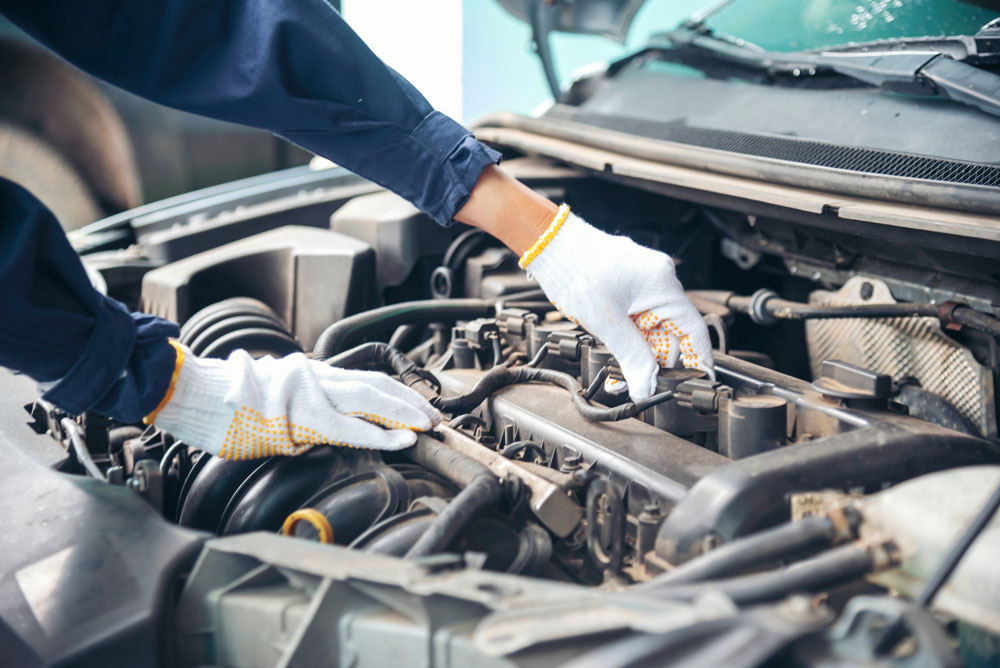
Iowa driving puts vehicles through a little bit of everything: freezing winter mornings, summer heat, potholes, road salt, heavy rain, and long highway stretches. For drivers in Avoca, staying ahead of routine maintenance can make the difference between a dependable commute and an unexpected repair when the weather turns.
The best service schedule is not based on the calendar alone. Your mileage, driving habits, vehicle age, and seasonal conditions all affect when maintenance should happen.
Quick answer: Most drivers should follow the maintenance intervals listed by their vehicle manufacturer while also checking key systems at the start of each Iowa season. Oil, tires, brakes, fluids, batteries, filters, and heating or cooling systems may need attention sooner when a vehicle regularly handles short trips, winter road salt, temperature swings, gravel roads, or frequent interstate driving.
What local drivers should know
-
Your owner’s manual should be the starting point for mileage-based maintenance because service intervals vary by make, model, engine, and oil type.
-
Winter conditions around Avoca and Pottawattamie County make battery condition, tire tread, brakes, and antifreeze especially important before temperatures drop.
-
Spring is a good time to inspect for wear caused by potholes, road salt, freezing temperatures, and repeated freeze-thaw cycles.
-
Summer driving on I-80 can place added demand on tires, engine cooling systems, air conditioning, and fluids during extended highway trips.
-
Fall maintenance gives Iowa drivers time to correct small problems before freezing temperatures and winter travel make breakdowns more difficult.
Olesen Auto Center helps local drivers keep maintenance on schedule throughout the year. After the first visit or inspection, we can help you understand which items need attention now and which ones can be monitored for a future service interval.
Why Does Seasonal Car Maintenance Matter in Avoca?
Seasonal car maintenance matters in Avoca because Iowa’s temperature swings, winter road treatments, potholes, and changing driving conditions can accelerate wear on several vehicle systems. A car that performs normally in September may face very different demands once freezing temperatures, snow, ice, and winter road conditions arrive.
Drivers traveling between Avoca, Atlantic, Harlan, and Council Bluffs may also combine short in-town trips with higher-speed interstate driving. Those different driving patterns affect tires, brakes, oil, batteries, suspension components, and other parts in different ways.
Western Iowa’s freeze-thaw cycles can also contribute to rough pavement and potholes. A hard impact may affect tire condition, wheel alignment, steering, or suspension even when the vehicle still seems drivable.
What Do We Commonly See During Iowa Seasonal Changes?
Seasonal service needs in western Iowa commonly involve batteries, tires, brakes, fluids, wiper systems, and damage or wear that becomes noticeable after major temperature changes. These are professional field observations rather than published statistics, and the exact maintenance needs of any vehicle depend on its age, mileage, condition, and manufacturer recommendations.
Cold weather can expose a weak battery that seemed fine during warmer months. Spring may reveal alignment or suspension concerns after winter potholes. Summer heat can make cooling system or air-conditioning problems more noticeable.
That is why we recommend combining manufacturer-scheduled maintenance with seasonal inspections instead of relying on mileage alone.
What Warning Signs Mean Your Car May Need Service?
Your vehicle may need service before its next scheduled interval if it develops new noises, warning lights, handling changes, fluid loss, starting problems, or unusual braking behavior. These symptoms should not be ignored simply because the vehicle has not reached its next recommended mileage milestone.
Watch for:
-
A dashboard warning or maintenance light that stays illuminated.
-
Slow engine cranking or difficulty starting, especially on cold mornings.
-
Squealing, grinding, vibration, or a change in brake pedal feel.
-
Uneven tire wear, low tread, vibration, or frequent pressure loss.
-
Pulling to one side or a steering wheel that is no longer centered.
-
Fluid spots underneath the vehicle after parking.
-
Rising engine temperature or changes in heater performance.
-
New rattles, clunks, or vibration after hitting a pothole.
When Should You Call a Professional?
You should schedule professional service when a warning light appears, braking or steering changes, the engine overheats, fluids leak, tires show damage, or your vehicle develops symptoms you cannot safely identify. Routine visual checks are useful, but some vehicle systems require proper equipment and hands-on inspection.
Drivers can safely monitor tire pressure, washer fluid, exterior lights, and visible tire condition at home. More complex brake, steering, suspension, cooling system, battery, and engine concerns should be inspected professionally.
This is particularly important before winter trips through Pottawattamie County or longer drives toward Council Bluffs, Omaha, Des Moines, or other destinations along I-80.
What Are the Most Common Seasonal Causes of Vehicle Wear in Iowa?
The most common seasonal causes of Iowa vehicle wear include cold temperatures, road salt and winter grime, potholes, summer heat, and repeated temperature swings. Each condition affects the vehicle differently, which is why a spring inspection should not necessarily focus on the same items as a fall inspection.
1. Cold temperatures: Low temperatures can expose battery weakness, change tire pressure, and place additional demand on starting and heating systems.
2. Winter road conditions: Salt, moisture, slush, and grime can remain underneath a vehicle and around wheels and brakes.
3. Potholes and rough pavement: Freeze-thaw cycles can damage pavement throughout western Iowa, increasing the risk of tire, wheel, alignment, or suspension problems.
4. Summer heat: Hot weather can increase stress on batteries, cooling systems, air conditioning, fluids, and tires.
5. Long highway travel: Regular driving on I-80 can add mileage quickly and may bring scheduled maintenance intervals sooner than expected.
What Maintenance Should Iowa Drivers Do Each Season?
Iowa drivers should perform a basic vehicle check every season while continuing to follow the mileage and time intervals specified by the manufacturer. A four-season routine helps catch problems when they are easier to address instead of waiting until a breakdown occurs.
Spring checklist
After an Avoca winter, check tire condition and pressure, brakes, alignment, suspension, wiper blades, fluids, and the underside of the vehicle for visible winter-related wear. Spring is also a sensible time to address steering or vibration changes that appeared after pothole impacts.
Summer checklist
Check the cooling system, engine oil, tires, battery, belts, hoses, and air conditioning before extended summer travel. Make sure the vehicle is ready for sustained highway driving if vacation plans involve longer stretches on I-80.
Fall checklist
Test the battery, inspect tires and brakes, check coolant protection, replace ineffective wiper blades, and verify that headlights and exterior lights work properly. Fall service provides time to handle repairs before winter weather reaches western Iowa.
Winter checklist
Monitor tire pressure frequently, keep washer fluid filled with a winter-appropriate product, watch battery performance, and pay attention to heating and defrosting performance. Clear accumulated snow and ice before driving and respond promptly to new warning lights or unusual noises.
What Results Should You Expect From Regular Maintenance?
Regular maintenance should help your vehicle operate more predictably, identify developing problems earlier, and keep important safety and performance systems in better working condition. Maintenance cannot prevent every repair, but it can reduce the chance that normal wear goes unnoticed until it causes a larger problem.
For local drivers, the practical benefit is preparation. A battery concern discovered during a fall inspection is usually easier to address than a no-start situation on a freezing January morning.
What Maintenance Mistakes Should Avoca Drivers Avoid?
The biggest maintenance mistakes Avoca drivers should avoid are relying only on mileage, ignoring seasonal checks, postponing warning signs, and assuming a vehicle is fine because it still runs.
Mistake: Waiting for the next oil change to inspect everything else.
Consequence: Tire, brake, battery, or fluid concerns may continue developing.
Better approach: Combine scheduled maintenance with seasonal inspections.
Mistake: Ignoring vibration after hitting a pothole.
Consequence: Tire or alignment wear may continue.
Better approach: Have new steering, vibration, or handling changes inspected.
Mistake: Waiting until the first hard freeze to check the battery.
Consequence: A marginal battery may fail when starting demand increases.
Better approach: Test battery condition during fall maintenance.
What Is a Common Local Maintenance Scenario?
A common local scenario is a vehicle that seems fine through summer but begins showing several small issues as temperatures fall. Tire pressure drops, the battery cranks more slowly, wiper blades leave streaks, and a brake or suspension noise that was barely noticeable becomes easier to hear.
None of those symptoms automatically means a major repair is needed. Together, however, they make a seasonal inspection worthwhile before winter driving begins.
What Services Can Help Keep Your Vehicle on Schedule?
The right service depends on your vehicle’s mileage, manufacturer recommendations, current condition, and seasonal needs. Routine maintenance may include oil service, tire inspections, brake checks, battery testing, fluid inspection, filters, and evaluation of steering, suspension, cooling, heating, or air-conditioning systems when needed.
We focus on identifying what requires attention and helping you understand the condition of your vehicle so you can make an informed maintenance decision.
Is DIY Maintenance or Professional Service Better?
DIY checks are useful for basic monitoring, while professional service is the better choice when diagnosis, lifting the vehicle, specialized tools, or safety-critical systems are involved. The two approaches work best together rather than as replacements for each other.
Drivers can routinely inspect lights, tire pressure, washer fluid, and obvious tire damage. A professional can more thoroughly evaluate brakes, batteries, fluid leaks, suspension components, alignment-related symptoms, cooling systems, and warning lights.
What Areas Do We Serve?
We serve drivers in Avoca and surrounding western Iowa communities who need routine vehicle maintenance and seasonal inspections. Nearby drivers from communities such as Harlan, Atlantic, and other parts of Pottawattamie County can also benefit from planning maintenance around Iowa’s changing seasons and road conditions.
What Can Happen If You Put Off Vehicle Maintenance?
Putting off vehicle maintenance can allow ordinary wear or a small mechanical problem to become more expensive, inconvenient, or potentially unsafe. A worn tire, weak battery, coolant concern, or brake problem rarely improves by being ignored.
Seasonal timing matters too. A problem that is manageable on a mild October afternoon may be considerably less convenient during snow, freezing temperatures, or holiday travel.
Frequently Asked Questions About Car Maintenance in Iowa
How often should I service my car in Avoca, Iowa?
You should service your car according to the time and mileage intervals specified by the manufacturer, with additional seasonal checks throughout the year. Avoca’s winter temperatures, road conditions, potholes, and summer heat make spring and fall especially useful times to inspect tires, brakes, batteries, fluids, and other wear items.
Should I get my car checked before an Iowa winter?
Yes, a pre-winter inspection is a practical way to find problems before freezing temperatures arrive. Drivers should pay particular attention to battery condition, tire tread and pressure, brakes, coolant, wipers, washer fluid, exterior lights, heater operation, and defrosting performance before winter conditions become routine.
Does driving on I-80 change my maintenance schedule?
Frequent I-80 driving can make mileage-based maintenance arrive sooner simply because highway miles accumulate quickly. Keep track of mileage and follow your owner’s manual rather than relying on a fixed number of months between visits. Tire condition, oil service, fluids, and other routine items should remain part of regular inspections.
When should I check my tires in Avoca?
Check tire pressure regularly and inspect your tires whenever seasons change, before long trips, or after a significant pothole impact. Temperature changes can affect tire pressure, while western Iowa road conditions may contribute to tread, wheel, or alignment concerns that become visible through uneven wear or vibration.
Can Iowa potholes damage my alignment?
Yes, a hard pothole impact can affect alignment, tires, wheels, steering, or suspension components. If your vehicle begins pulling, vibrating, steering differently, or wearing tires unevenly after striking a pothole around Avoca or elsewhere in western Iowa, scheduling an inspection can help identify the source.
How often should my battery be checked in Iowa?
Battery condition should be considered during routine maintenance and is especially worth checking before winter if starting has become slower or the battery has been in service for several years. Cold temperatures can expose reduced battery capacity, making fall a useful time for testing before freezing mornings arrive.
Is spring maintenance important after a Pottawattamie County winter?
Yes, spring maintenance can reveal problems caused or exposed by winter driving conditions. Tire wear, alignment changes, brake concerns, worn wipers, and suspension symptoms may become noticeable after months of cold temperatures, winter road treatments, slush, and freeze-thaw cycles across Pottawattamie County.
Should I service my vehicle before a long summer road trip?
Yes, checking your vehicle before a long trip can identify maintenance needs before you add hours of highway driving. Consider engine oil, coolant, tires, battery condition, brakes, air conditioning, belts, hoses, and other scheduled maintenance items before leaving western Iowa for an extended summer trip.
Keep Your Vehicle Ready for Every Iowa Season
A consistent maintenance routine gives Avoca drivers a better chance to spot wear before changing weather or a long trip turns it into an inconvenient problem. Follow your manufacturer’s schedule, pay attention to new symptoms, and use seasonal inspections to account for the conditions vehicles face across western Iowa.
Get Your Car Ready for the Miles Ahead
We can help you understand what your vehicle needs now and what maintenance may be coming next, without treating every visit like an emergency.